Hearing aids, in plain English.

Mild or moderate hearing loss? Save thousands by buying hearing aids at Costco or Sam’s Club. I connect them to your phone, tablet, TV, and vehicle, set up the manufacturer’s app, and adjust the settings so calls and music sound right. Advanced hearing loss? See an audiologist or a licensed hearing professional.

The five brands below make most of the world’s hearing aids — including the ones sold at Costco and Sam’s Club. Prices change often; check with the store before you buy.
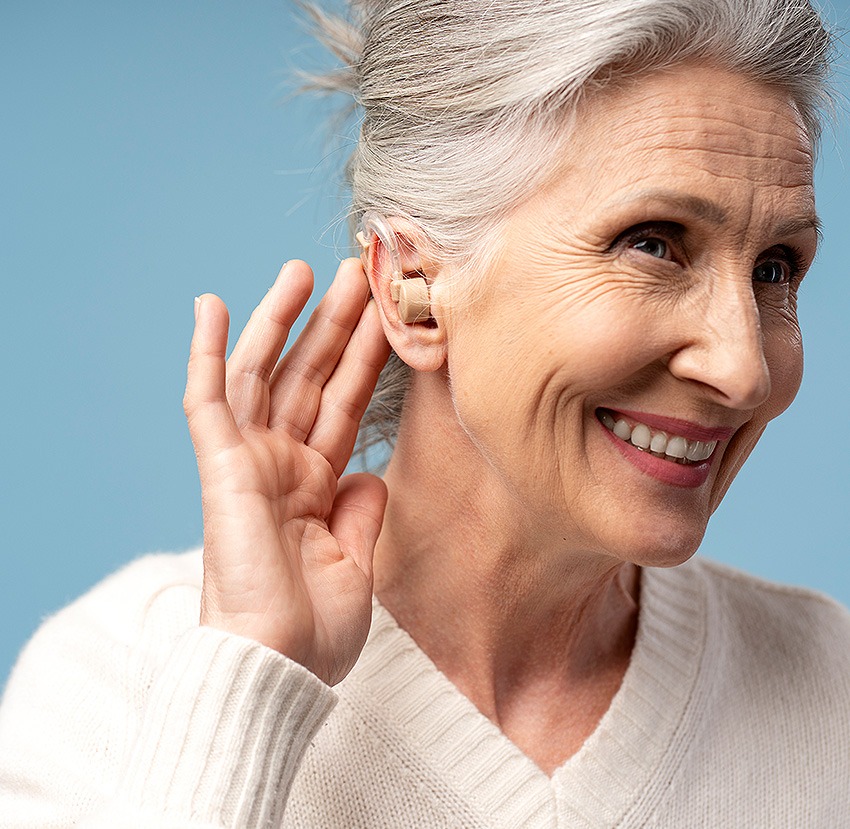
Close-up of a modern hearing aid
The big five

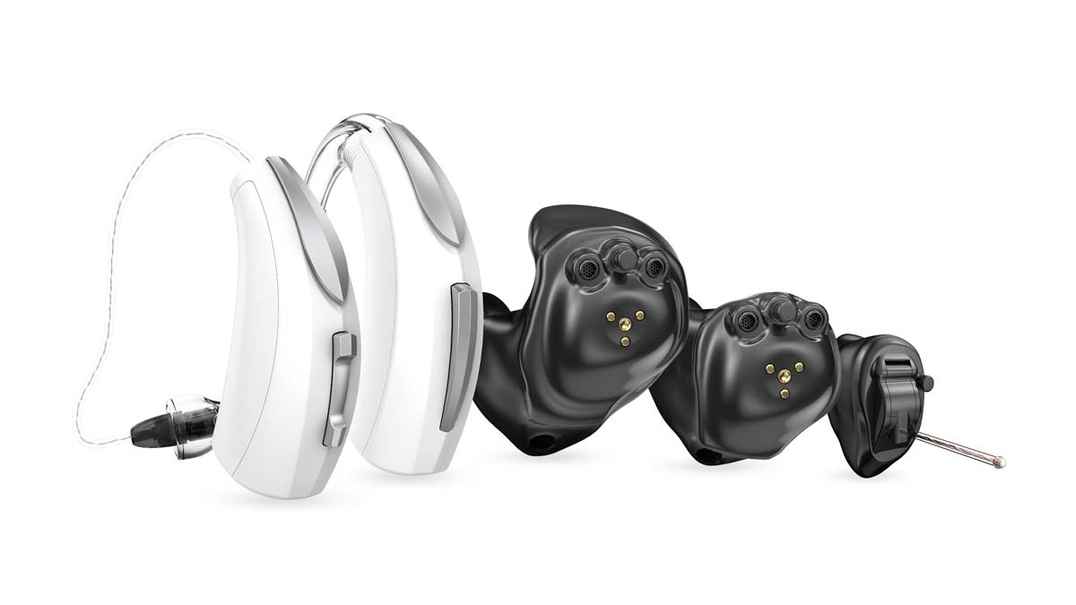
The top five hearing aid brands

Each card shows what the brand does well and what to watch out for, in plain words. Every one of them pairs with phones over Bluetooth — that part is my job, and I’ll set it up for you.

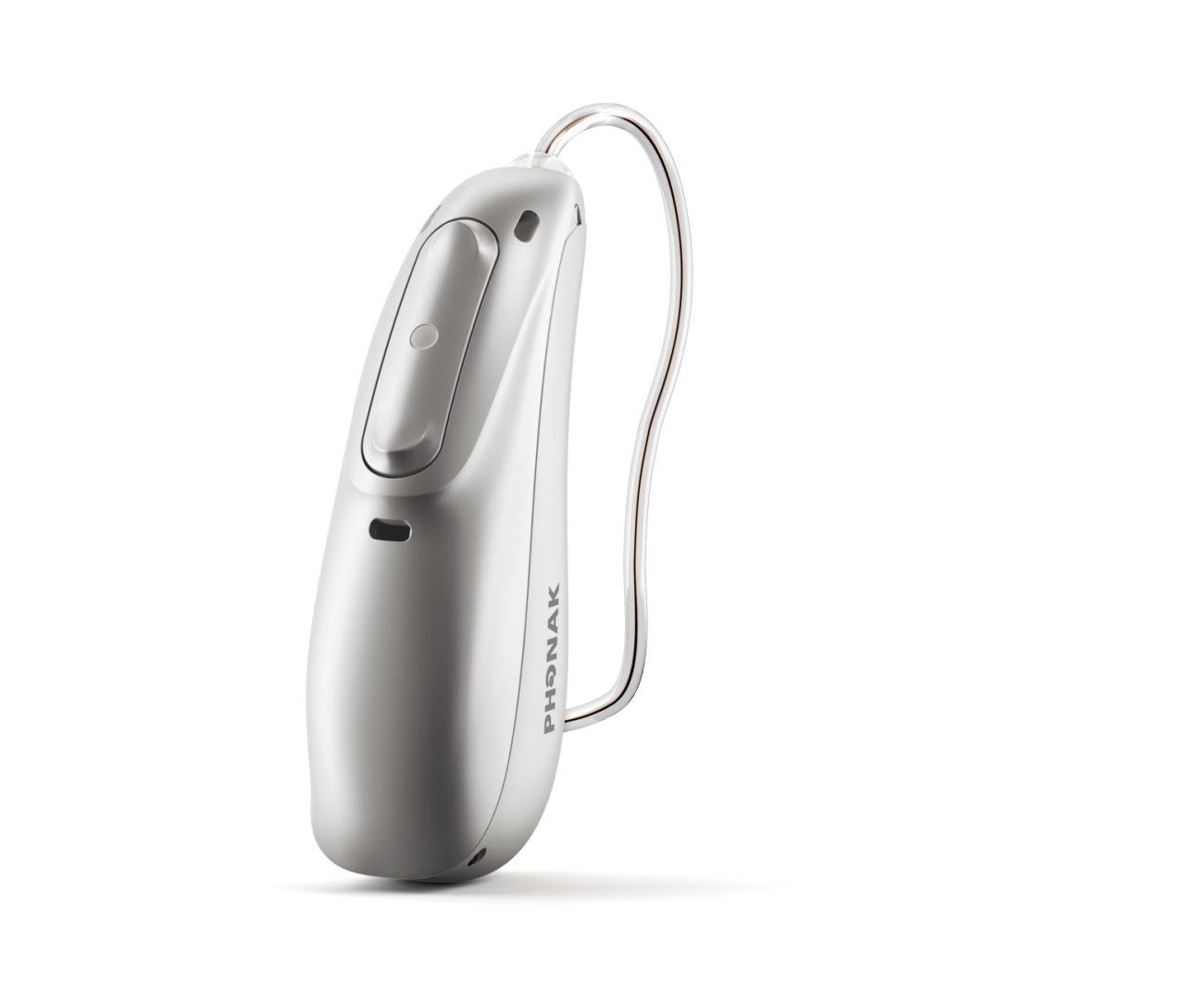
Phonak Audéo hearing aid
Clinic pairs listed around $2,300–$7,000 • Much less at wholesale clubs

Phonak Audéo Infinio

The best pick if you use Android or take video calls on a computer — it pairs with more devices than any other brand here.

Bluetooth & pairingMost flexible. Classic Bluetooth pairs with iPhone, Android, tablet, TV, computer, and usually car systems. Remembers 8 devices and stays connected to 2 at once. Hands-free calling on both iPhone and Android.
Phone appmyPhonak: volume, listening programs, battery check, find lost aids, and video appointments with your provider.
StrengthsVery strong at picking speech out of background noise in restaurants. All-day battery. Works with small clip-on mics for meetings.
Watch-outsPremium price at private clinics — this is exactly where Costco or Sam’s Club saves thousands. No Auracast yet (promised in a future update).

At Costco: look for Sennheiser Sonite ($1,599 a pair) — engineered by Sonova, the same parent company that makes Phonak. Sam’s Club’s new multi-brand hearing centers include Phonak.
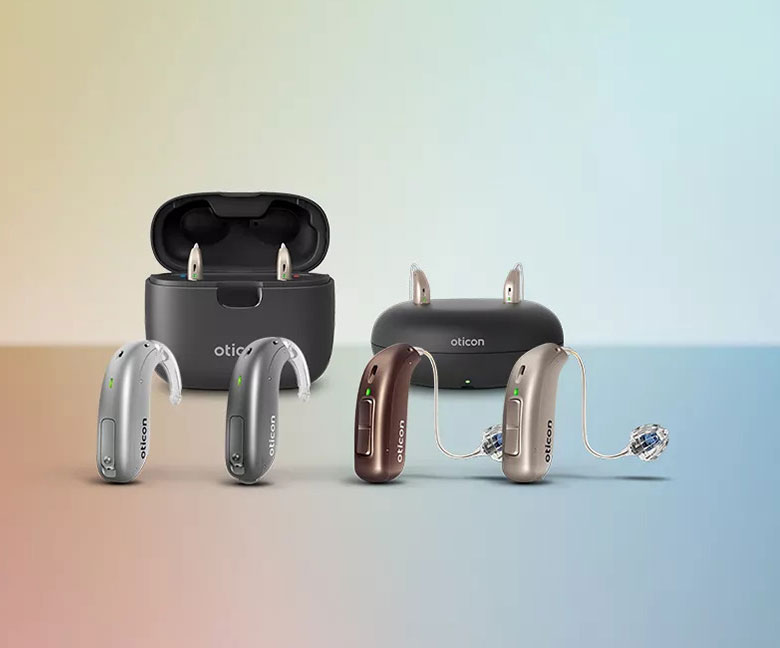
Oticon hearing aid
Premium brand • Much less at wholesale clubs

Oticon Intent

The most future-ready brand — it can tune into public sound systems (Auracast) in airports, churches, and theaters that have the equipment.

Bluetooth & pairingNewest tech. New LE Audio standard. Streams calls, music, and TV audio from compatible phones and tablets. Android pairing is quick. Hands-free calling needs a newer phone.
Phone appOticon Companion: volume, programs, battery check, finds nearby Auracast broadcasts, and plays tinnitus relief sounds.
StrengthsSound processing designed to feel natural and less tiring. The tiny Zeal model is nearly invisible. Sealed against dust and water.
Watch-outsAuracast only helps where venues have installed it — still rare in most places. Older phones may stream but not do hands-free calling.

At Costco: look for Philips HearLink 9050 ($1,599 a pair) — made by Demant, the same parent company that makes Oticon.

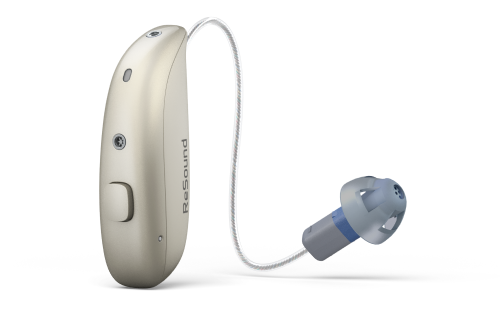
ReSound hearing aid
Premium brand • Much less at wholesale clubs

ReSound Vivia

Rated best-in-class for the newest Bluetooth connections, in a very small, light, and comfortable aid.

Bluetooth & pairingBest new-Bluetooth. LE Audio and Auracast. Streams from iPhone and most Android phones. On some Android phones, hands-free calling needs a small clip-on mic. An optional TV streamer sends TV audio straight to the aids.
Phone appReSound Smart 3D: volume, programs, simple tone control, tinnitus relief sounds, and a “Check My Fit” guide that shows whether the aid is sitting correctly in your ear.
StrengthsUp to 30-hour battery. Very small and comfortable with many colors. Clean, easy-to-use app. Your provider can adjust settings remotely.
Watch-outsThe noise reduction is good but not magic in the very toughest noisy places. The app has no step counting or health tracking.

At Costco: look for Jabra Enhance Pro 30 ($1,699 a pair) — made by GN Hearing, the same parent company that makes ReSound. Sam’s Club’s new multi-brand hearing centers include ReSound.

Starkey hearing aid
Premium brand • Much less at wholesale clubs

Starkey Omega AI

The only brand here with health features — fall detection that can text your contacts, plus step and activity tracking.

Bluetooth & pairingHealth + hearing. LE Audio with Auracast (added in 2026). Streams on iPhone and Android. Hands-free calling needs a newer phone. Quick pairing on Android.
Phone appMy Starkey: volume, programs, an AI assistant that answers questions and fixes common issues, remote adjustments from your provider, and your health information.
StrengthsFall detection, step tracking, and guided balance exercises. Battery up to 51 hours. Tough and waterproof. Named best health and safety features of 2026 by NCOA.
Watch-outsCan feel like too much technology if you want a simple, no-fuss aid. You get the most out of it if you are comfortable using the phone app — and I can teach you.

Not sold at Costco. Sam’s Club’s new multi-brand hearing centers include Starkey.

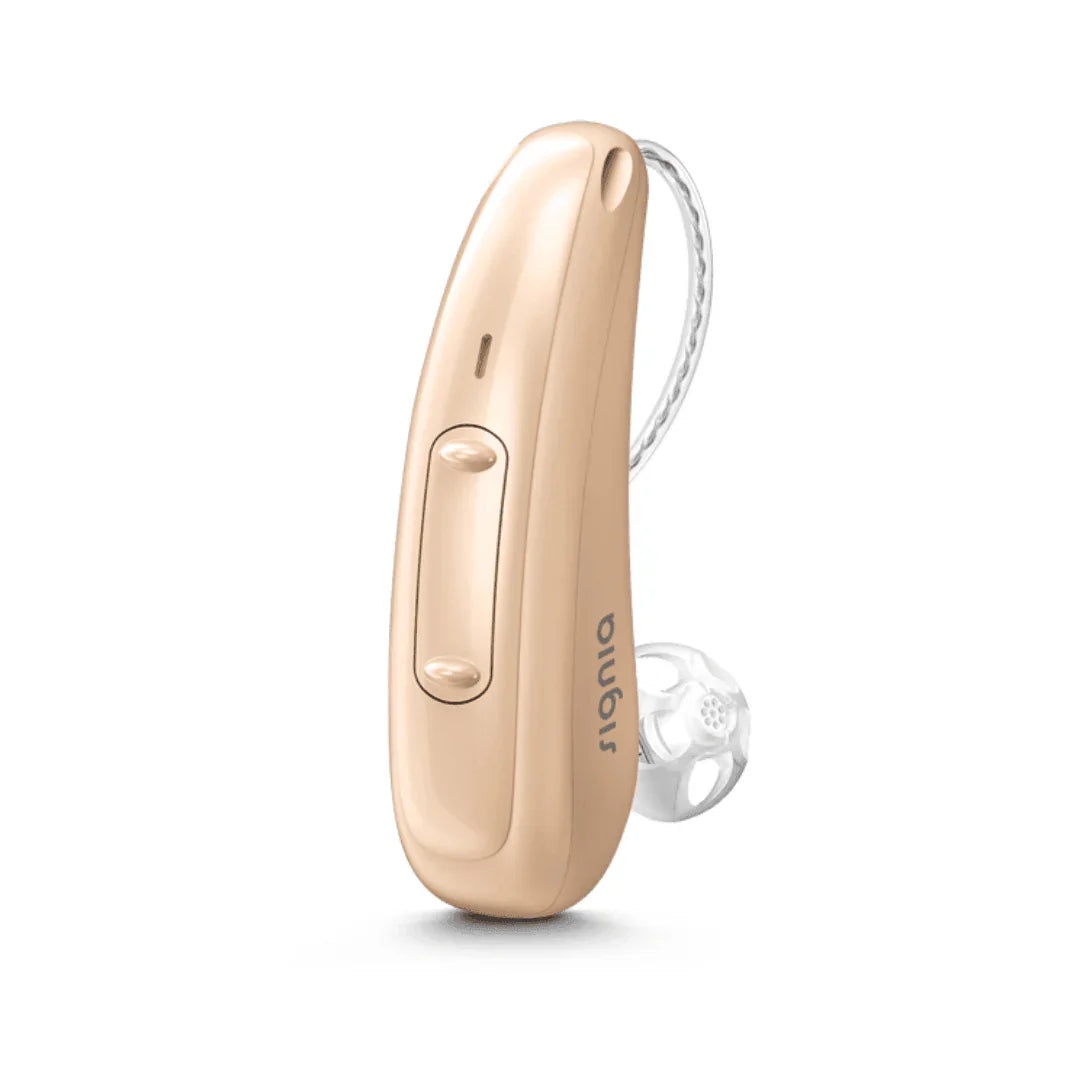
Signia hearing aid
Premium brand • Much less at wholesale clubs

Signia Pure Charge&Go IX

The battery-life champion — up to 36–39 hours — and your own voice sounds natural instead of boomy, a common complaint with other aids.

Bluetooth & pairingLongest battery. Streams calls and music on iPhone and Android with hands-free calling. A TV accessory sends TV audio straight to the aids. No Auracast.
Phone appSignia app: volume, programs, sound fine-tuning, an AI assistant that learns your preferences, and remote appointments with your provider.
StrengthsBest battery life here (NCOA 2026). Testers rated its sound 5 out of 5, and it follows speakers as they move in group conversations. Many styles, from nearly invisible to slim and modern.
Watch-outsNo Auracast and no find-my-hearing-aid feature. The setup instructions can feel a bit technical — I walk you through all of it.

At Costco: look for Rexton Reach ($1,599 a pair) — made by WS Audiology, the same parent company that makes Signia.

Spend less

Where to buy

You have more choices than the local hearing aid store. Here is where the savings are.

Costco or Sam’s Club hearing centers

Both sell prescription hearing aids — often the same major brands on this page — for much less than a hearing aid store. They have licensed hearing professionals on staff and include free hearing tests, fittings, and follow-up visits.

From the maker or an online specialist

Most brands also sell direct from their own websites. Online specialists like Audicus and ZipHearing pair the purchase with remote or local professional help.

Over-the-counter: Walmart, Best Buy, Target, Amazon

For mild-to-moderate hearing loss only, you can buy FDA-approved hearing aids off the shelf — some pairs from about $100. Stick with name brands that have a real track record in hearing care. One caution: with over-the-counter aids you don’t know how they’ll sound until you try them, so check the return policy before you buy — reputable brands give you at least 45 days.

Hearing aid words, in plain English

Bluetooth

A wireless connection between your hearing aids and your phone, tablet, TV, or vehicle. It carries phone calls, music, and TV sound straight into your ears.

Pairing

Connecting your hearing aids to a phone or another device over Bluetooth. This is the tech part — and the part I handle for you.

LE Audio and Auracast

Newer Bluetooth technology. Auracast lets one broadcast — an airport announcement, a TV in a waiting room — reach many hearing aids at once. Newer aids support it; older ones do not.

Over-the-counter (OTC)

Hearing aids you can buy without a prescription, for mild-to-moderate hearing loss only. Sold at stores like Walmart, Best Buy, and Amazon.

Audiologist

A licensed hearing professional who tests your hearing and fits hearing aids precisely to your ears. The right call for advanced hearing loss.

Fitting

Adjusting the hearing aids to match your exact hearing test. Done by an audiologist or licensed professional — not the same as setting up Bluetooth.

Want help with the tech part?

Call Straight 2 Work Tech for patient help syncing your hearing aids to your phone, tablet, TV, and vehicle — downloading the manufacturer’s app, adjusting the settings so calls and music sound right, and teaching you how to manage them yourself.

I don’t sell hearing aids and I don’t test your hearing. For advanced hearing loss, see an audiologist or a licensed hearing professional.

Call Sean — (813) 770-6082