TV Headsets

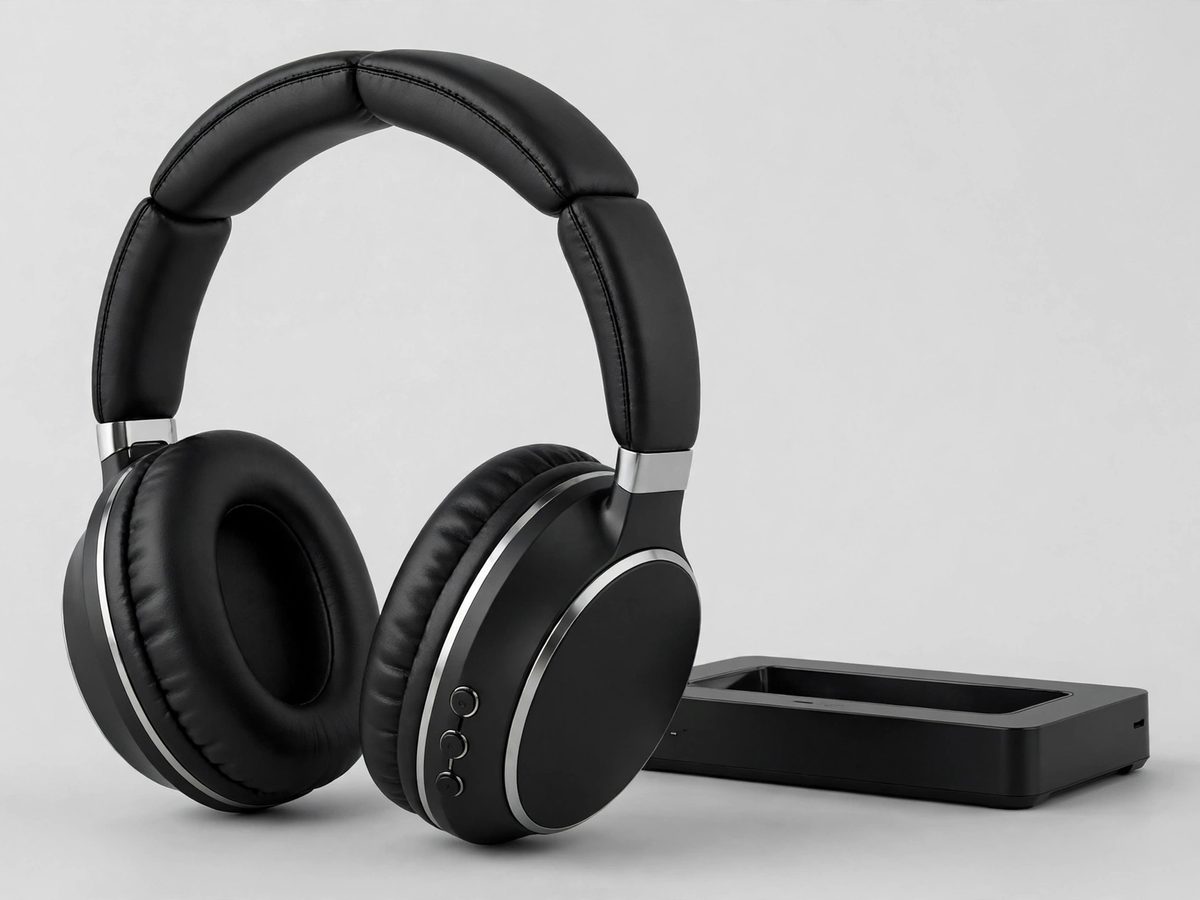
Black wireless over-ear TV headphones with silver accents and their charging base

A TV headset sends the TV's sound straight to your ears. You hear every word clearly — without turning the TV up loud for everyone else. If you keep asking “what did they say?” while others say it sounds fine, this is the fix.

Why a headset helps

Modern TVs are thin, so their speakers are tiny and often fire backward off the wall. Music and sound effects drown out the talking. A headset puts the sound right at your ears, and everyone else can listen at their own volume — or mute the TV entirely.

The four worth knowing

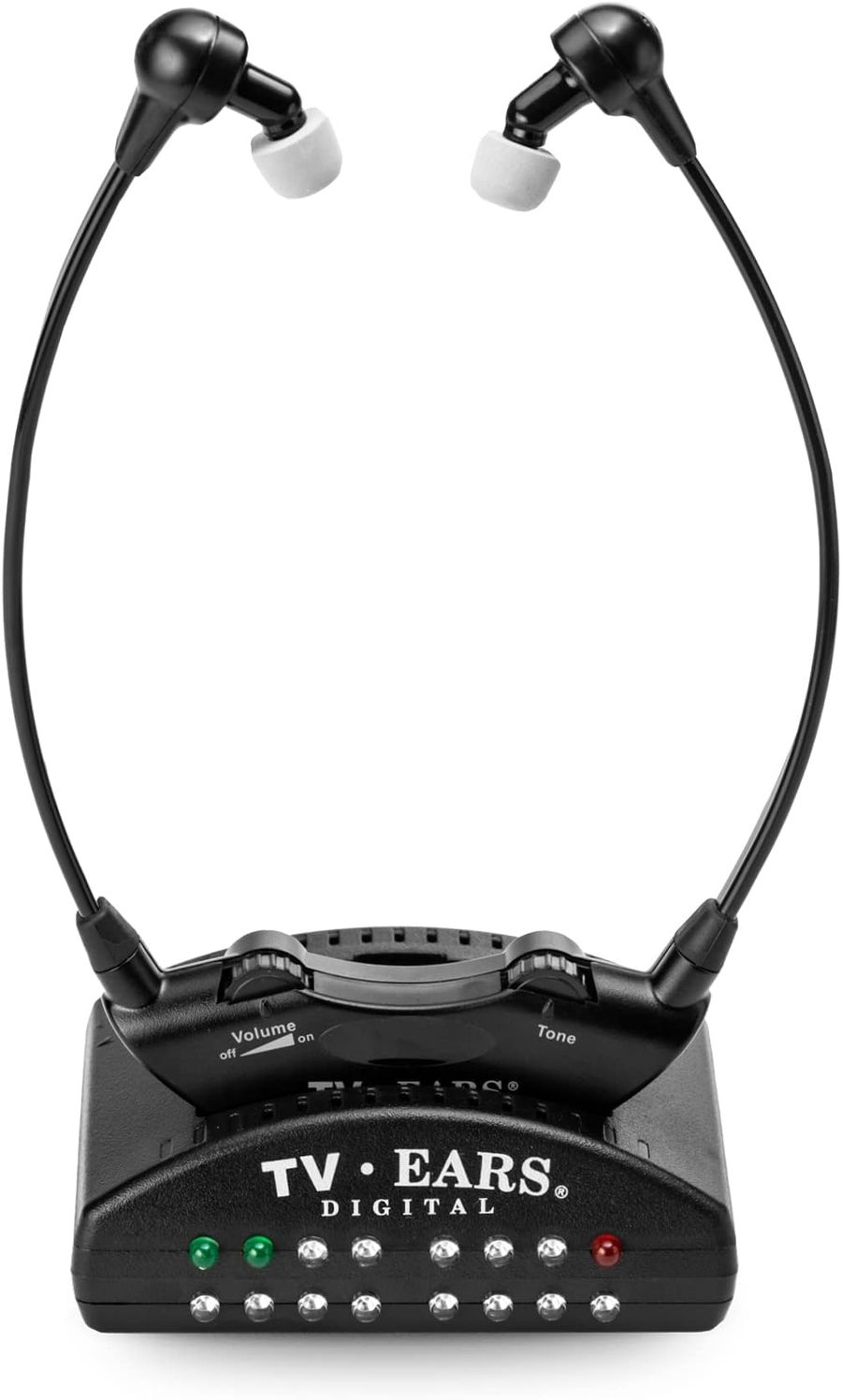
TV Ears Digital: under-chin wireless TV headset on its charging base

TV Ears — simplest of all

This is the one I point most people to. Made for this one job: their headsets connect to almost any TV, clarify voices, and let you set your own volume while others listen normally. The popular Digital model is plug-and-play — no pairing, no apps. Their dual model lets two people listen at once, each with their own volume. Best if: you want the simplest thing that works.
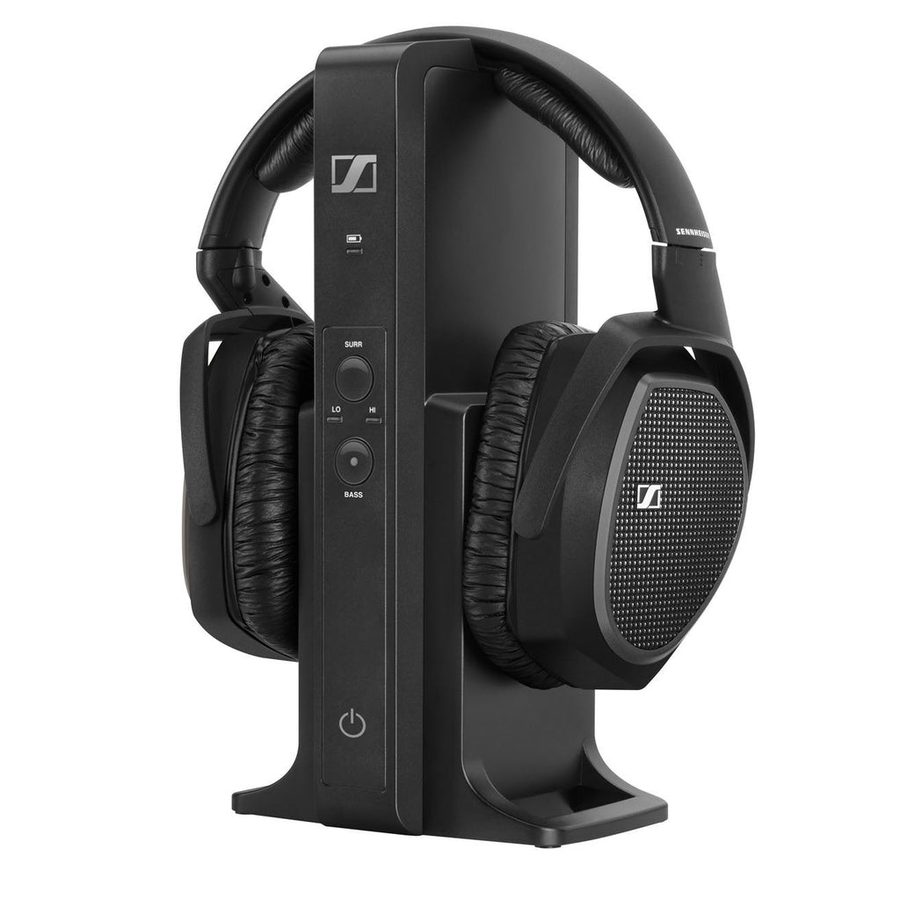
Sennheiser RS 175: over-ear wireless headphones on their transmitter stand

Sennheiser RS 175 — best sound quality

If sound quality matters most, this is my answer. A wireless system with its own transmitter box that plugs into the TV's optical or audio output. The over-ear headphones have surround and bass buttons, stay comfortable through long movies, and you can walk to the kitchen without losing sound. Best if: you want the best sound and the freedom to move around.

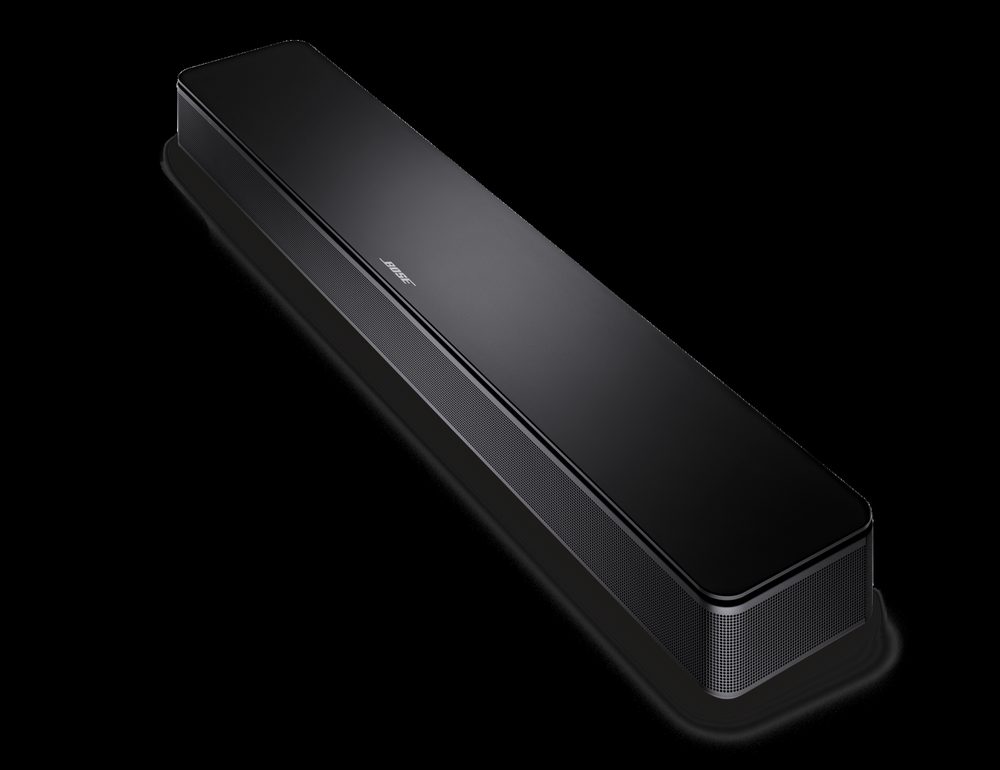
Bose TV Speaker: compact black soundbar

Bose TV Speaker — the whole room hears better

One honest note first: Bose does not sell a headset made just for TV. Their fix is the Bose TV Speaker — a small soundbar with a Dialogue Mode button that lifts voices out of the background noise. It helps everyone in the room, not just one listener. Best if: you want one simple upgrade the whole room benefits from.

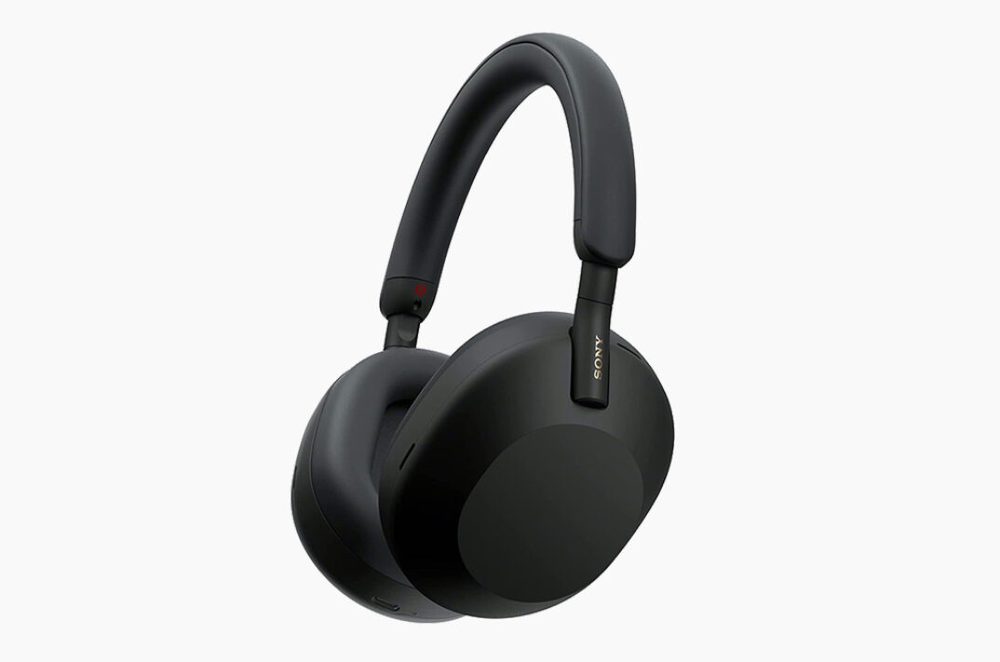
Sony WH-1000XM5: black noise-canceling over-ear headphones

Sony WH-1000XM5 — one great pair for everything

Top-rated noise-canceling headphones that also pair to your TV over Bluetooth. Great sound, very comfortable, and they work with your phone and travel too (a newer XM6 model also exists). One honest catch: regular TV Bluetooth can lag slightly behind lips on some TVs — Sony's own TVs handle it best. Best if: you want one great pair of headphones for everything.

How they connect, in plain words

Narrated tutorial: how TV headsets connect.
  1. Optical cable. A small square-ish plug from the TV to the headset's base — the most reliable sound. TV Ears and Sennheiser both support it.
  2. Dedicated transmitter. A little base box sits by the TV and sends wirelessly to the headset — no lag, and you can walk around the house.
  3. Bluetooth. Pairs like a phone does — convenient, but on some TVs the voices lag slightly behind the lips.

Finding the sound switch on your TV brand

Whichever way your headset connects, the TV has to agree to send its sound there. Every brand hides that agreement in a different drawer:

Can the headset and the TV speakers play at the same time? This is the first question couples ask, and the honest answer is “it depends how the headset connects.” A base-box headset on the optical cable usually leaves the TV speakers playing too, so one spouse listens up close and the other listens to the room. Bluetooth usually takes the sound for itself. One exception: many Samsung TVs have Multi-output Audio — Settings → General → Accessibility → Multi-output Audio — which plays a Bluetooth headset and the TV speakers together, each with its own volume. Some newer LG sets offer a similar “together” choice in the Sound Out list; most other brands make you pick one.

What matters most for seniors

  1. Dialogue clarity beats loudness. Voice-clarifying tech (TV Ears) or a Dialogue Mode (Bose) helps more than just turning it up.
  2. Comfort. Lightweight under-chin style (TV Ears) or soft over-ear cushions (Sennheiser, Sony) for long movies.
  3. Simple controls. Volume right on the headset — avoid anything that needs an app for basic listening.
  4. Hearing the room. Closed headphones block the doorbell and conversation. Some Sony modes let room sound in, and TV Ears' style leaves your ears open.
  5. Hearing aids. TV Ears are designed to be worn with hearing aids in. Over-ear models can press on them — try before you commit.

When to call Sean instead

🎬 Watch it: Connecting TV headsets

Straight 2 Work Tech, LLC — patient, plain-words tech help.
(813) 770-6082